 Support me on Patreon
Original works and literary adaptations — an undergraduate immersion in cinema meeting a novelist's precision on the page.
C.M. Dinsmore's undergraduate years were spent immersed in the world of cinema. His M.F.A. and Ph.D. redirected him into a more in-depth, detailed, and layered approach to storytelling but the filmmaker's eye remains.
The screenwriting spans original works and literary adaptations. The flagship project is Christabel — an original adaptation of Coleridge's famous unfinished poem meant to be paired with music by composer Albert Syeles.
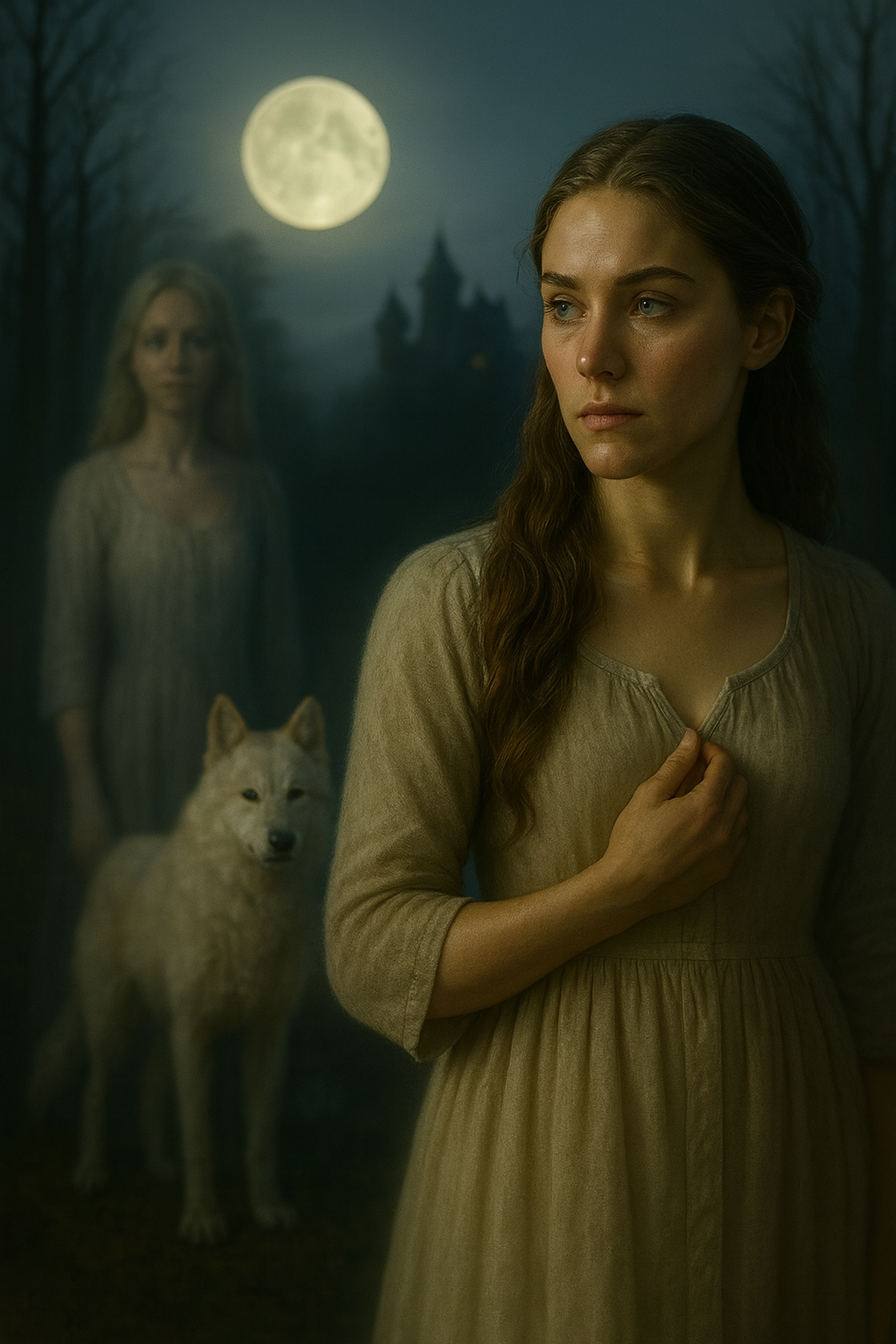
Based on the unfinished poem by Samuel Taylor Coleridge, first published 1816
A whirlwind of a mystery revolving around the tragedies and mental anguish of one English noble family. Centered on Christabel, who experiences friendship and love in the midst of loss and loneliness, the story unfolds and twists until it culminates in one woman finding her source of strength.
Coleridge never abandoned the ambition of completion, yet felt himself "distracted by too many possible endings." The mystery around this unfinished poem has only added to the mystery embedded in the poem itself, allowing for readers to interpret and project their own endings. Be part of a well-conceived adaptation and ending.
— christabel.infoColeridge's poem, first published in 1816, is one of English literature's most celebrated and studied fragments. The poem follows the innocent Christabel and her encounter with the mysterious Geraldine — beautiful, otherworldly, and deeply unsettling — and what that encounter unleashes within her father's castle walls.
For two centuries, readers and scholars have argued about where Coleridge's story was heading and what it meant that he could not — or would not — resolve it. The poem's incompletion has only deepened its power.
Coleridge never abandoned the ambition of completion, yet felt himself "distracted by too many possible endings."— Kathleen Coburn, ed., Notebooks of Samuel Taylor Coleridge, I.435
C.M. Dinsmore's screenplay offers a well-conceived adaptation and ending — one thoughtful, dramatically grounded answer to the question Coleridge posed and could not close.
An adapted screenplay developed in parallel with the novel — the same story of a Japanese soldier in the Philippine jungle, 1945, rendered in the visual language of cinema. Inspired by the dramatic grammar of Kurosawa.
Scripts available upon request to producers, development executives, and literary managers.
Your support makes these projects possible. Please subscribe at Patreon.
Become a Patron